

Black Friday Offer Up to CHF 3,200 off Master’s tuition · Enrol by 30 November See the fees
Master of Laws · University of Salford

LL.M International
Commercial Law

Master the law of global commerce.

12 monthsor 24 months part-time
180 creditsfour taught modules + dissertation
Onlinewith an optional week in Zürich or Salford
Any backgroundopen to law and non-law graduates
Why this programme

Trade, governance, competition and financial law.

Open to non-lawyersBuild a rigorous foundation in international commercial law from any professional background.
Comparative by designAnglo-American, European and emerging market legal systems, examined side by side.
ESG in commerceEngage with the legal dimensions of ethical, sustainable global business.
Optional residential week

Zürich, Switzerland or Salford, Manchester

Zürich, Switzerland
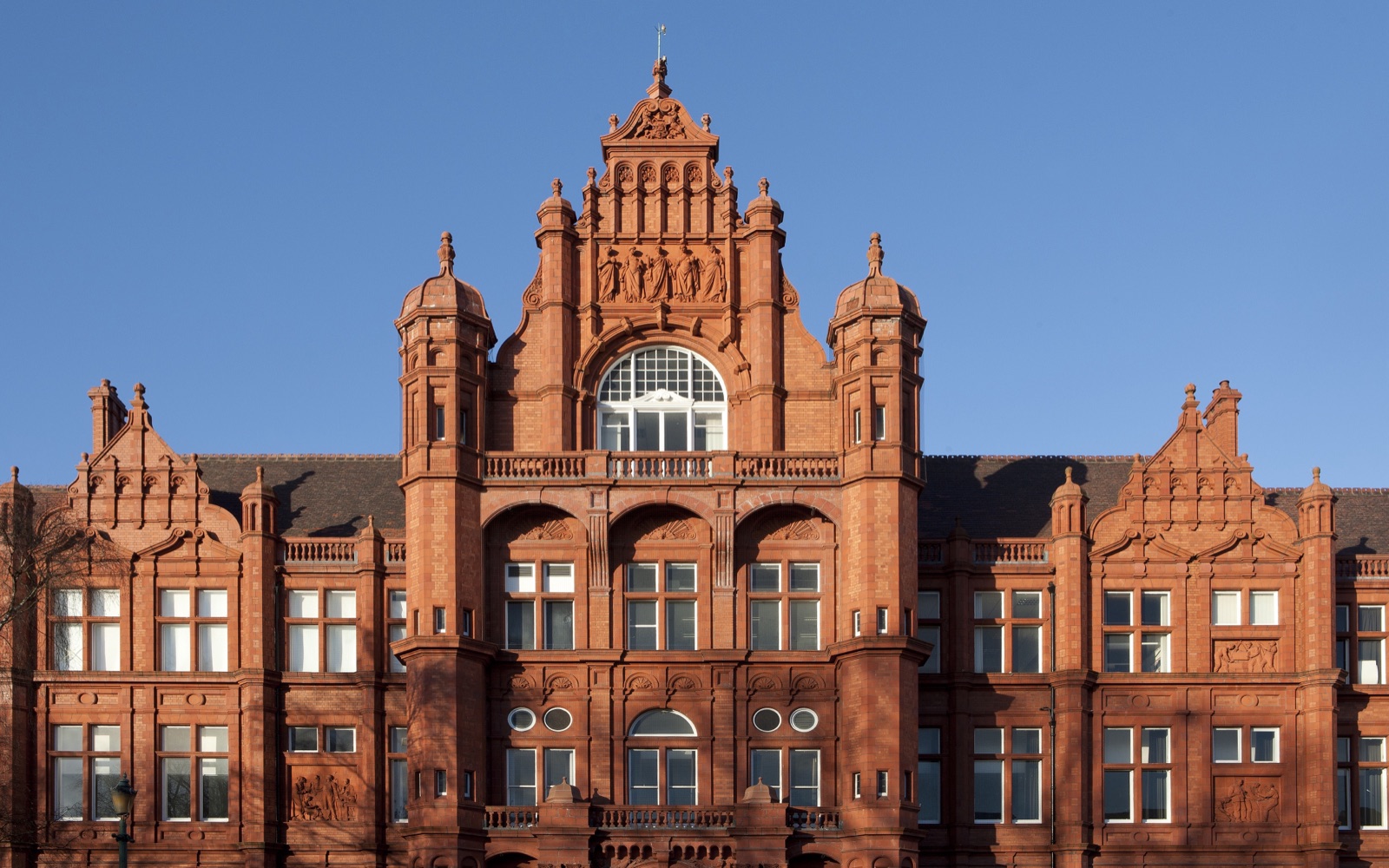
Salford, Manchester

Your degree is fully achievable online. But before you begin your final project, you can choose to spend one week with fellow students and faculty: at Robert Kennedy College in Zürich, Switzerland, or on campus at the University of Salford in Manchester, England.

The residential week is built around your final project. Through workshops, supervisor sessions and peer discussion you will sharpen your research question, settle your methodology, plan your project timeline and leave with a clear roadmap for the dissertation stage. It is also a rare opportunity to meet in person the international cohort you have been studying alongside online, and to experience the two institutions behind your degree.

University of Salford

Winner of the Queen Elizabeth Prize for Education 2025

The prize is part of the United Kingdom’s national honours system (formerly the Queen’s Anniversary Prizes) and is granted every two years for work that shows excellence, innovation and benefit to the wider world. Salford received it for its Energy House Labs: pioneering research in sustainable building design and tackling fuel poverty.

The University of Salford receives the Queen Elizabeth Prize for Education
Professor Katy Mason, University of Salford
Course structure

Four modules, then your dissertation.

International Trade Law30 creditsWhat it covers
  • Legal frameworks governing international trade and cross-border sale of goods
  • Formation, performance, and enforcement of international sales contracts
  • The CISG and other global conventions in context
  • Dispute resolution and management of legal risk
  • The role of sustainability and ESG principles in global commerce
International Corporate Law and Governance30 creditsWhat it covers
  • Legal structures and governance mechanisms of multinational enterprises
  • Corporate personality, director duties, and shareholder rights
  • Comparative perspectives: Anglo-American, European, and emerging markets
  • Sustainability, transparency, and ethical leadership in corporate governance
  • Cross-border mergers, accountability, and stakeholder engagement
Global Competition Law30 creditsWhat it covers
  • Legal frameworks regulating mergers, cartels, and market dominance
  • Comparative analysis of EU, US, and emerging competition regimes
  • Intersection of competition law with innovation and consumer protection
  • Multinational regulatory scrutiny across jurisdictions
  • Strategic use of competition law in international disputes and trade
Global Financial Regulation30 creditsWhat it covers
  • Legal regimes governing the movement of goods, services, and capital
  • WTO rules, regional trade agreements, and bilateral treaties
  • Trade protectionism, sustainability, and geopolitical legal implications
  • Trade compliance and policy development
  • Legal dimensions of global supply chains
Supervised Dissertation60 credits · a specialist area of international commercial law
Career outcomes

Where it can take you.

International Commercial LawyerCorporate Legal CounselTrade & Customs AdvisorCompetition Law SpecialistFinancial Regulation ConsultantCorporate Governance AdvisorPolicy & Legal Affairs Manager
Entry requirements

We welcome applications from students who may not meet the formal entry criteria but who have relevant experience or the ability to pursue the course successfully.

The formal entry requirements are:

  • A minimum of a second class honours degree or equivalent
  • Or a recognised professional qualification in a related discipline
  • English language at IELTS 6.5 (minimum of 5.5 in each component)

Applications are considered from candidates who do not meet the formal entry requirements but can provide evidence of equivalence.

Examples of equivalence are:

  • A wide range of professional qualifications and/or work experience
  • Working or studying in English or an English-speaking environment